
Contents
- Introduction to Helmet Safety
- Measuring Your Head for a Helmet
- Choosing the Right Helmet Type
- Adjusting the Fit for Comfort and Safety
- Importance of Helmet Certification
- Current Trends in Helmet Technology
- Common Mistakes to Avoid When Fitting a Helmet
- Future of Helmet Safety and Innovation
- Practical Tips for Maintaining Your Helmet
- Related Topics and Resources
- References
Overview
Fitting a helmet correctly is crucial for ensuring safety and comfort while engaging in various activities such as cycling, motorcycling, or playing contact sports. According to the National Highway Traffic Safety Administration, the Centers for Disease Control and Prevention recommends that helmets be fitted by a professional, and that they meet the safety standards set by organizations such as the Snell Memorial Foundation or the Consumer Product Safety Commission. With the right guidance, individuals can learn how to fit a helmet correctly and enjoy their activities with confidence. The process involves measuring the head, trying on different helmet sizes, and adjusting the fit to ensure a snug and secure fit. By following these steps and considering factors such as helmet type, certification, and maintenance, individuals can ensure a safe and enjoyable experience. For example, the Snell Memorial Foundation provides a comprehensive guide to helmet safety standards, while the Consumer Product Safety Commission offers tips on how to choose the right helmet. Additionally, organizations such as the National Highway Traffic Safety Administration and the Centers for Disease Control and Prevention provide valuable resources on helmet safety and fit.
Introduction to Helmet Safety
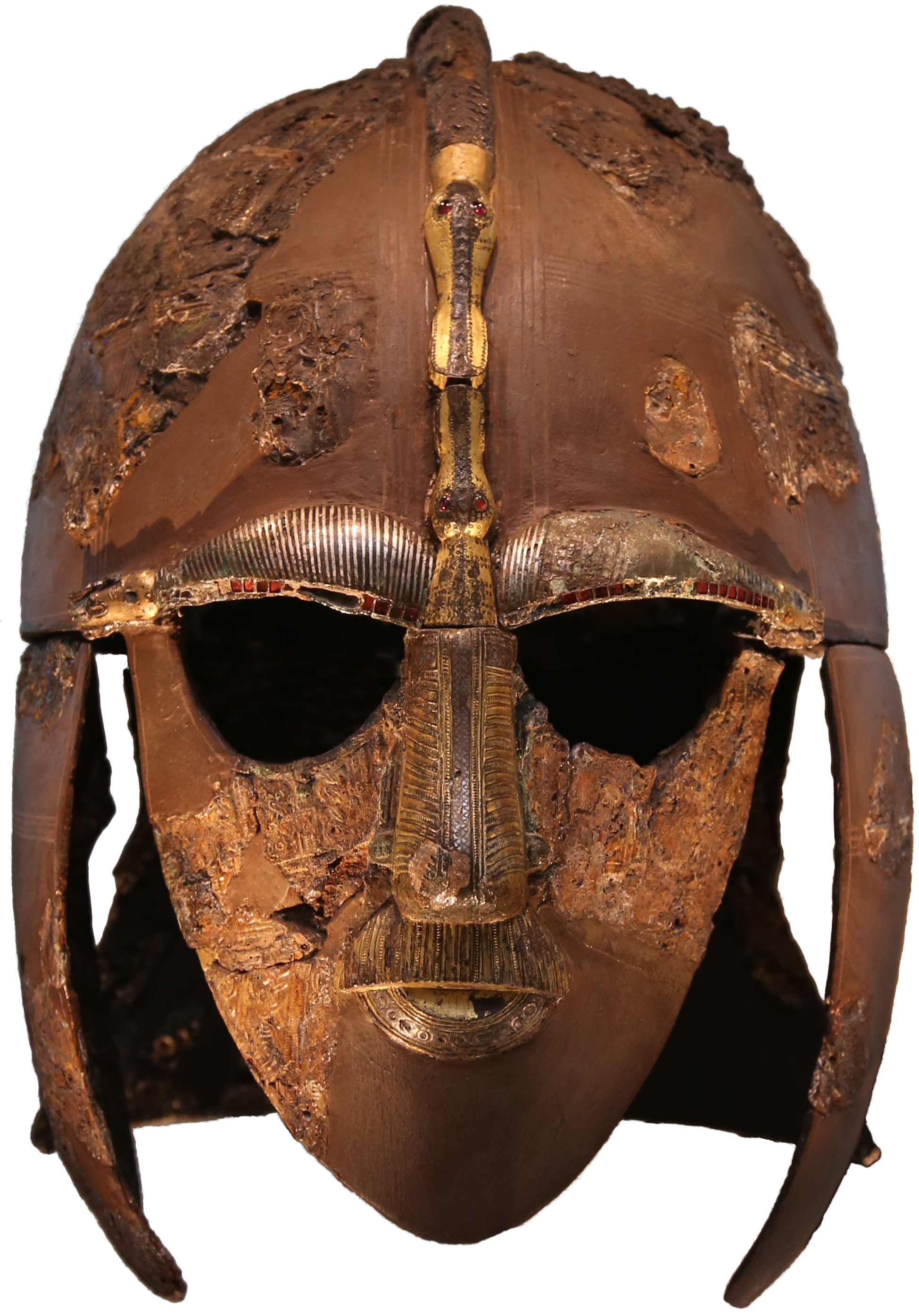
Introduction to Helmet Safety — The importance of wearing a helmet cannot be overstated. The World Health Organization reports that head injuries are a significant concern. Helmets have been used for centuries, with early examples such as the Sutton Hoo helmet showcasing the importance of head protection in battle. Today, helmets are used in a variety of contexts, from sports to transportation. For instance, the National Football League requires players to wear helmets that meet specific safety standards, while the International Cycling Union recommends that cyclists wear helmets that meet the safety standards set by organizations such as the Snell Memorial Foundation. The Consumer Product Safety Commission provides a guide to helmet safety standards, including information on how to choose the right helmet.
Measuring Your Head for a Helmet
Measuring Your Head for a Helmet — To ensure a proper fit, it's essential to measure your head correctly. This involves wrapping a flexible tape measure around the widest part of your head, just above your eyebrows and ears. The Consumer Product Safety Commission provides a comprehensive guide to measuring your head for a helmet, including tips on how to choose the right size and type of helmet. For example, the Bell Helmets company offers a range of helmets in different sizes and styles, including the popular Bell Zephyr helmet. The Snell Memorial Foundation also provides a guide to helmet sizing, including information on how to measure your head and choose the right helmet size.
Choosing the Right Helmet Type
Choosing the Right Helmet Type — With so many different types of helmets available, it can be overwhelming to choose the right one. Factors to consider include the type of activity you'll be engaging in, the level of protection you need, and your personal style preferences. The Snell Memorial Foundation provides a guide to helmet types, including full-face helmets, open-face helmets, and half-helmets. For instance, the Shoei Helmets company offers a range of helmets, including the popular Shoei XF1000 helmet, which is designed for high-speed riding. The Consumer Product Safety Commission also provides information on helmet types, including tips on how to choose the right helmet for your needs.
Adjusting the Fit for Comfort and Safety
Adjusting the Fit for Comfort and Safety — Once you've chosen a helmet, it's essential to adjust the fit to ensure a snug and secure fit. This involves adjusting the straps and pads to fit your head comfortably. The Centers for Disease Control and Prevention provides tips on how to adjust the fit of your helmet, including how to check the fit and make adjustments as needed. For example, the Schuberth Helmets company offers a range of helmets with adjustable fit systems, including the popular Schuberth C3 helmet.
Importance of Helmet Certification
Importance of Helmet Certification — When choosing a helmet, it's essential to look for certification from a reputable organization such as the Snell Memorial Foundation or the Consumer Product Safety Commission. Certification ensures that the helmet meets certain safety standards, providing you with peace of mind while you're on the road or on the field. The National Highway Traffic Safety Administration provides a guide to helmet certification, including information on how to check for certification and what to look for when choosing a helmet.
Current Trends in Helmet Technology
Current Trends in Helmet Technology — The world of helmet technology is constantly evolving, with new innovations and advancements being made all the time. From advanced materials to integrated safety features, there are many exciting developments in the world of helmets. The Motorcycle Safety Foundation provides a guide to current trends in helmet technology, including information on how to choose the right helmet for your needs. For example, the Shark Helmets company offers a range of helmets with advanced safety features, including the popular Shark Spartan helmet. The International Organization for Standardization provides guidelines for helmet technology, including information on how to stay up-to-date with the latest developments.
Common Mistakes to Avoid When Fitting a Helmet
Common Mistakes to Avoid When Fitting a Helmet — When fitting a helmet, there are several common mistakes to avoid. These include choosing a helmet that's too small or too large, failing to adjust the straps and pads properly, and neglecting to check the helmet for damage or wear. The National Safety Council provides a guide to common mistakes to avoid when fitting a helmet, including tips on how to ensure a proper fit. For instance, the Fox Racing company offers a range of helmets with adjustable fit systems, including the popular Fox V1 helmet.
Future of Helmet Safety and Innovation
Future of Helmet Safety and Innovation — As technology continues to evolve, we can expect to see even more innovative and effective helmet designs in the future. From integrated safety features to advanced materials, the future of helmet safety is exciting and promising. The International Organization for Standardization provides a guide to the future of helmet safety and innovation, including information on how to stay up-to-date with the latest developments. For example, the Bell Helmets company is working on developing new helmet technologies, including a helmet with integrated augmented reality capabilities. The Shark Helmets company is also working on developing new helmet technologies, including a helmet with advanced safety features.
Practical Tips for Maintaining Your Helmet
Practical Tips for Maintaining Your Helmet — To ensure your helmet continues to provide optimal protection, it's essential to maintain it properly. This includes cleaning the helmet regularly, checking for damage or wear, and storing it in a safe and secure location. The Snell Memorial Foundation provides a guide to practical tips for maintaining your helmet, including information on how to clean and store your helmet.
Key Facts
- Category
- safety-standards
- Type
- topic